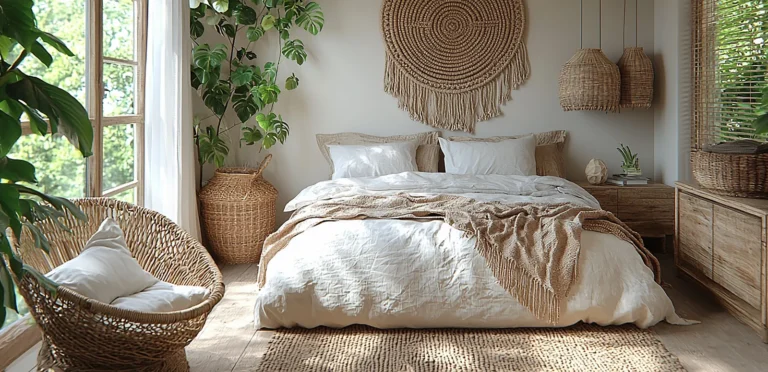
Indoor air quality is the condition of the air inside your home, shaped by the materials on your walls, the finishes on your floors, and how moisture and ventilation interact day to day. Research consistently shows that indoor air carries 2–5 times the pollutant concentration of outdoor air, and most of us spend roughly 90% of our time breathing it. The good news: the materials you choose can make a measurable difference. Clay plasters absorb pollutants. Untreated wood doesn’t off-gas. Plant-based finishes skip the volatile organic compounds that give conventional paint its lingering smell. These articles explore where indoor pollutants come from and what you can do about them.
Start with The Air You Breathe for a grounding overview, or go deeper with VOCs: The Invisible Presence to understand the chemistry behind that “new room” smell. If you’re thinking about your home as a connected system, A Breathing Home System pulls the pieces together. Whether you begin with one room or rethink your whole approach to ventilation, the goal is the same: air that works for you.