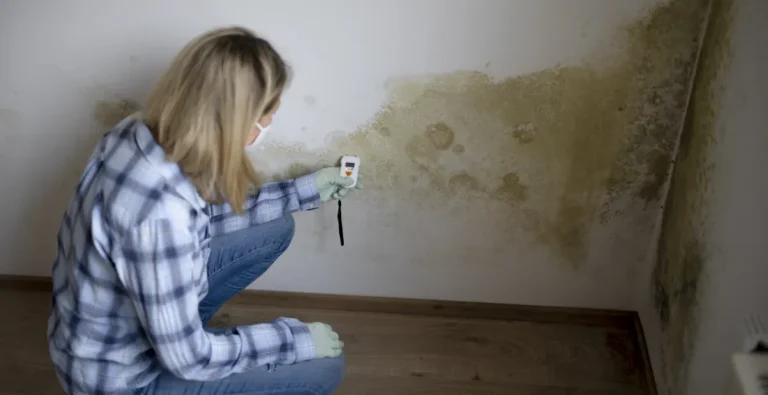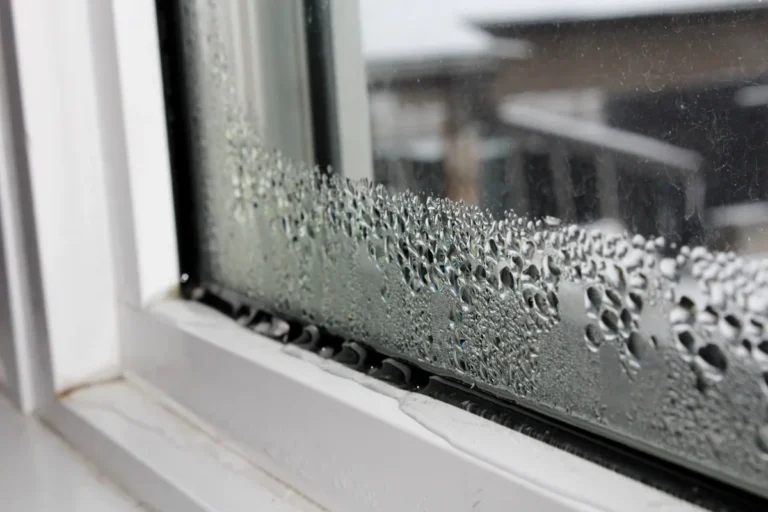
Humidity is the amount of water vapour in the air, and it affects everything from how comfortable a room feels to whether mould can take hold in a wall cavity. The healthy range sits between 40% and 60% relative humidity. Below that, air dries out skin and airways. Above it, condensation and biological growth become real risks. Breathable materials (clay, lime, wood, wool) help buffer these swings by absorbing excess moisture when humidity rises and releasing it when the air dries out. A clay-plastered wall, for example, can absorb up to 30g of moisture per square metre in a matter of hours. Conventional vapour barriers and acrylic paints can’t do this; they seal moisture in or out, without responding to changing conditions.
Humidity: The Goldilocks Zone is the best starting point. Ventilation vs. Breathability clarifies two concepts that often get confused. And Your Walls Can Breathe explains what “breathable” means in practice.