Where history is felt, and materials are chosen for the next hundred years
The Essence
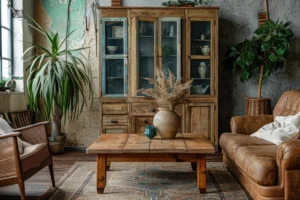
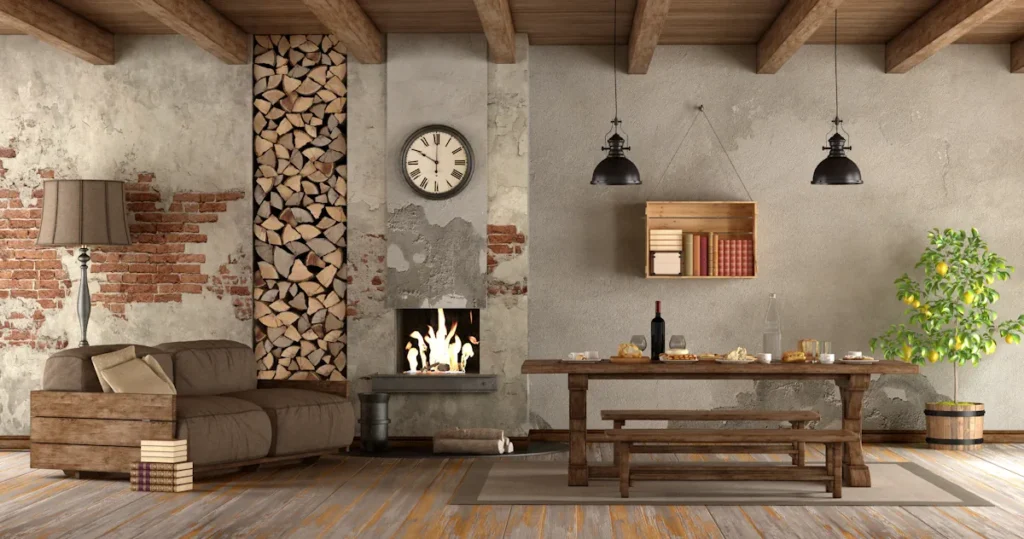
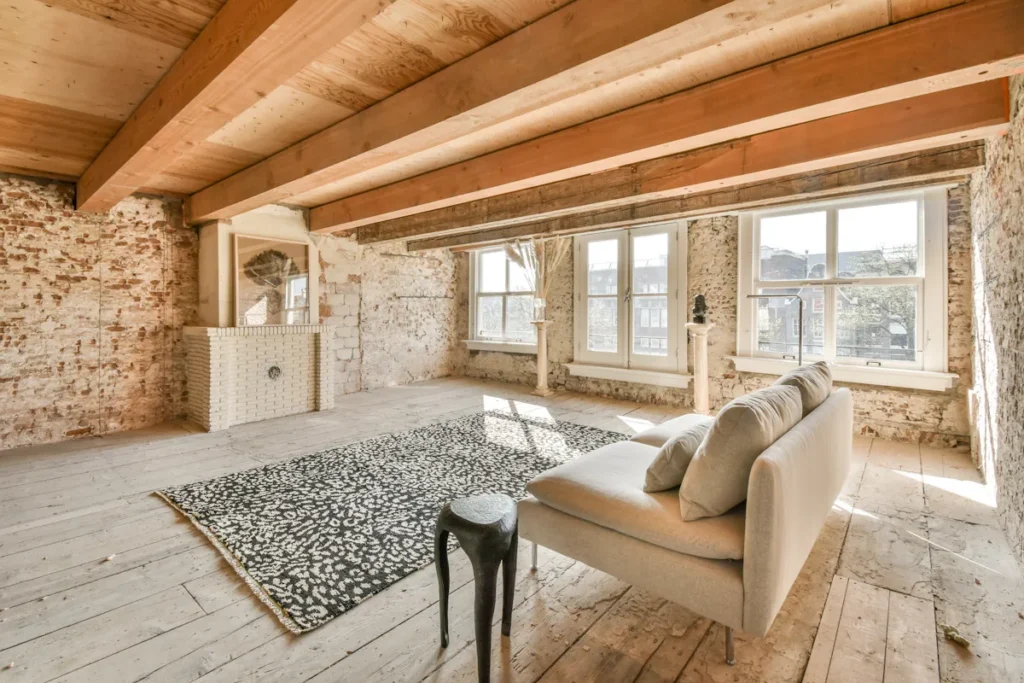
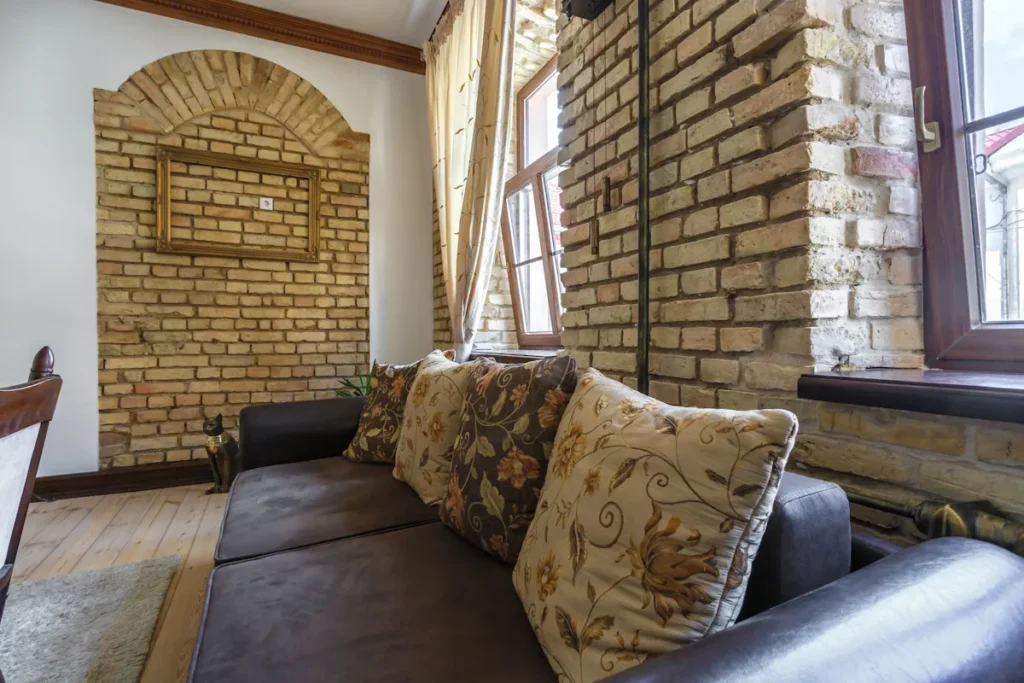
Some homes feel as though they have always existed. Not decorated, not styled. Built. Rooted Heritage celebrates the weight and permanence of materials that have shaped European architecture for centuries: solid oak beams, thick lime renders, heavyweight linen that makes you aware of the cloth in your hands.
Where Gentle Refuge builds warmth through layered softness, Rooted Heritage builds it through density. A Gentle Refuge room invites you to sink in. A Rooted Heritage room grounds you with its solidity. Both share an affection for natural materials, but the gravity is different here. Heavier doors. Thicker walls. Furniture you couldn’t move alone.
Wabi-sabi (侘寂), the Japanese principle of beauty in age and imperfection, runs through this aesthetic. A century-old table bears the marks of every meal served on it. Lime plaster develops a gentle patina that no fresh surface can replicate. These materials are chosen to grow more compelling over decades, not to look their best on installation day. In a world of fast interiors, Rooted Heritage is the long home. A space designed to outlast trends and reward patience.
Inspiration
What Goes Into It
Rooted Heritage is built on density. Every surface here is meant to be lived with, touched, and handed down.
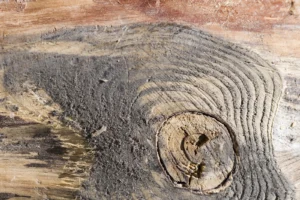
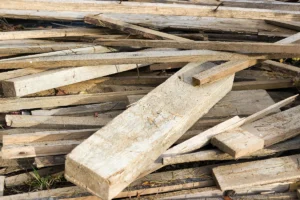
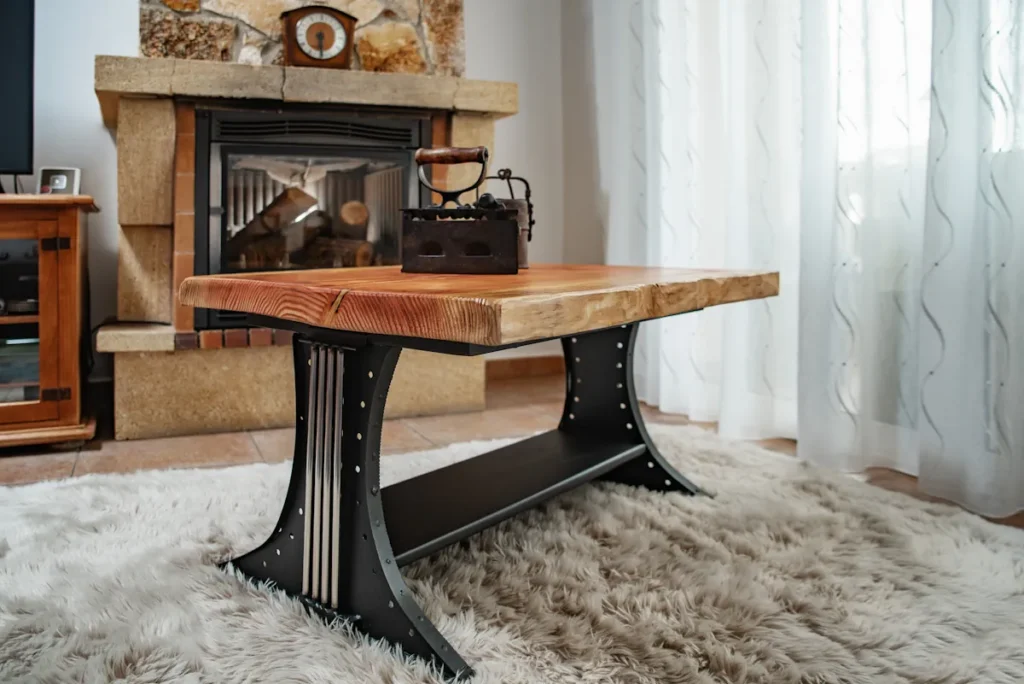
Dark-finished oak: European oak treated with multiple coats of dark hard-wax oil. When we compared dark-oiled oak from three different suppliers, the colour depth varied noticeably; the boards finished with Osmo Polyx in Ebony 3169 achieved the richest tone without obscuring the grain beneath. Stained alternatives sit on the surface. Oil penetrates. The wood remains breathable, and the colour provides a visual anchor to the room.
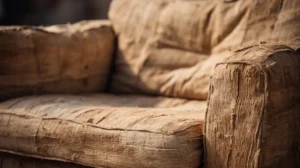
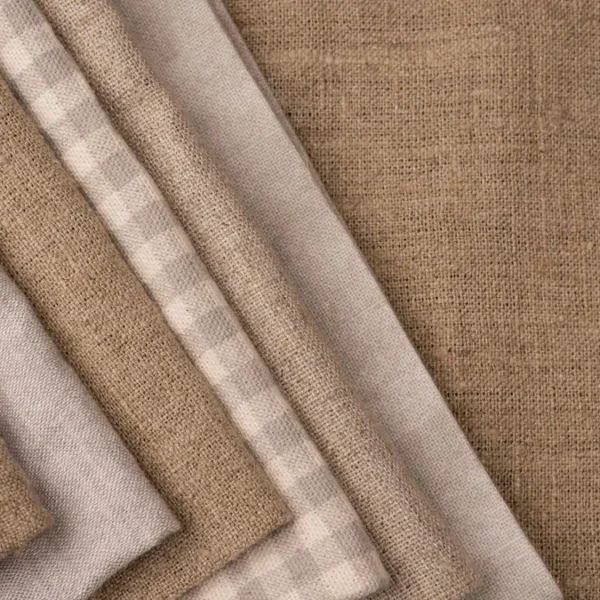
Heavyweight linen: Linen at its most traditional. A high GSM (grams per square metre, the measure of fabric density) gives it a satisfying drape and a rugged texture. At 280gsm or above, the fabric carries real weight in the hand. It feels like the flax fields it came from.
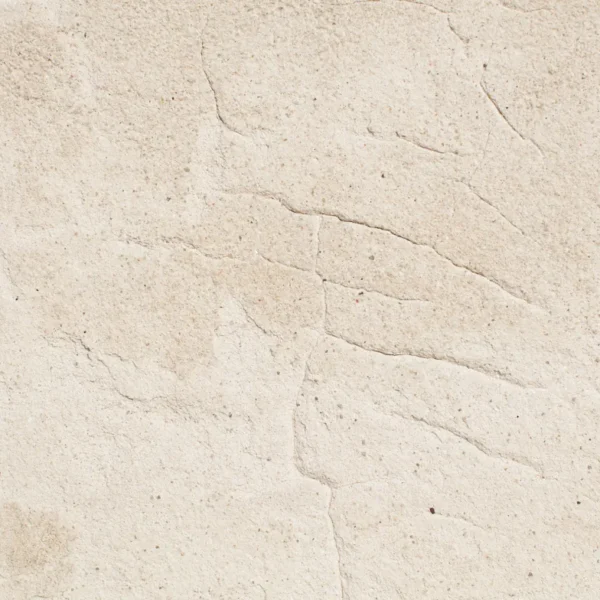
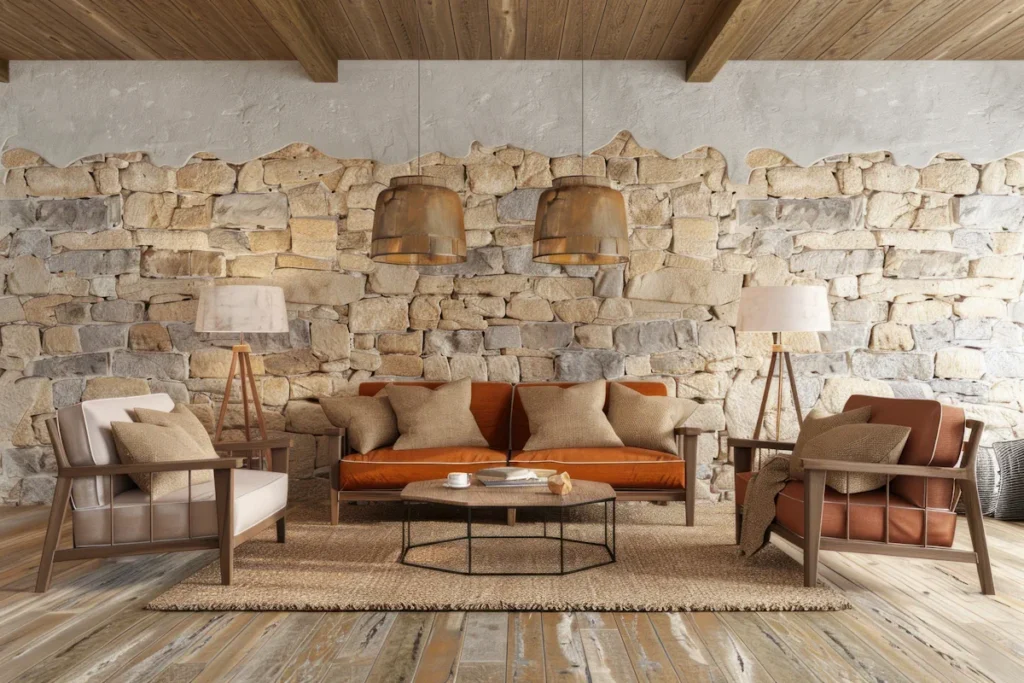
Lime render: Thicker than a standard limewash, this provides a stone-like finish to internal walls. Lime is antibacterial by nature and absorbs CO₂ as it cures, becoming harder with every passing decade. A freshly applied lime render will reach roughly 60% of its final strength within the first year, then continue hardening for decades after.
Wool and leather: Accents that bring warmth to the solidity. Both develop a patina that records the history of the home. Wool felts gently under friction; leather darkens and softens with use.
Living Here
A Rooted Heritage space feels quiet and certain. Dense materials absorb sound, making the air feel still. You notice weight here: the thud of a heavy door closing, the solid resistance of a chair being drawn back across stone.
Wabi-sabi finds its fullest expression in rooms like these. Every mark on the table, every hairline crack in the lime, every scuff on the flagstone floor is evidence of life passing through. The room doesn’t resist time. It collects it.
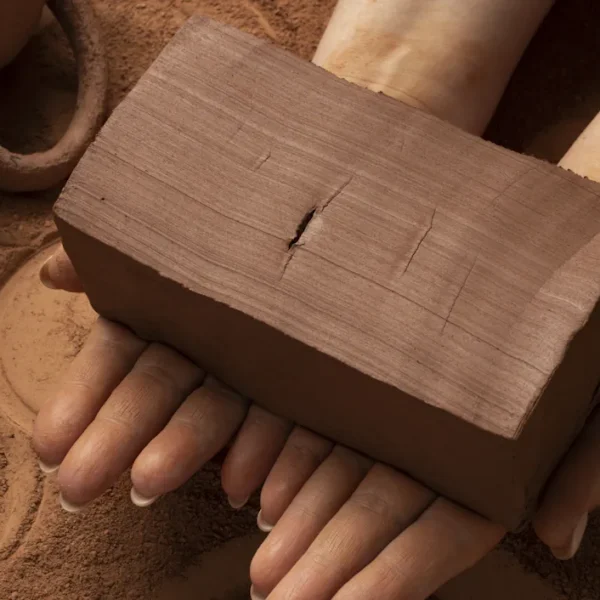
And because these materials are verified low-emission and breathable, the home feels as healthy as it is sturdy. Clay walls regulate humidity without mechanical intervention. Lime resists mould. Oak finished with natural oils contributes no VOCs to the air. Permanence and wellbeing, working together.
How to Begin
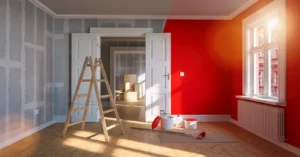
Focus on the foundations. If you’re replacing a floor, choose solid oak over engineered alternatives. If you’re repainting, choose a deep earth pigment in a lime or clay base. These decisions outlast any decorating trend.
Introduce weight. Swap light curtains for heavyweight linen. Replace a veneer table with a solid wood piece. A wool rug with real density underfoot. These changes shift the gravity of a room in ways you feel before you name.
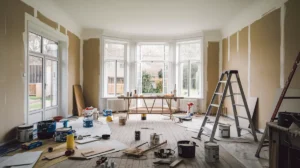
Let older buildings speak. If your home has original features (exposed brickwork, old plaster, timber beams), consider whether they can be uncovered and restored with compatible natural materials. Lime plaster is often the only finish suited to older masonry walls because it allows the moisture movement the building needs.
Common Questions
Does dark oak make a room feel smaller?
It adds depth and grounding, and the effect depends on what surrounds it. Pair dark floors with luminous lime-plastered walls to reflect light back into the space. In practice, rooms with dark oak and pale walls often feel more spacious, not less, because the contrast gives the eye clear reference points.
Is thick lime plaster difficult to maintain?
It’s one of the most durable wall finishes available, though it responds differently from paint. Because lime render is through-coloured (the pigment goes all the way through, not just on the surface), small scuffs blend into the texture over time. It prefers to be left alone to age. If deeper damage occurs, a skilled plasterer can patch lime seamlessly.
Can I achieve this look in a modern flat?
Yes. Solid wood furniture and natural wall finishes provide the character that modern construction often lacks. The key is choosing materials with genuine mass and age potential. Even in a new build, a lime-finished wall and an oak dining table begin to develop the atmosphere that Rooted Heritage describes.
Why choose heavyweight linen over standard weaves?
Durability and presence. A 280gsm linen curtain lasts longer, drapes with more body, and provides better insulation and acoustic softening than lighter alternatives. It also creases differently, developing the kind of structured folds that lighter linens can’t hold.