Celebrating the unrefined, the textural, and the structural beauty of nature
The Idea
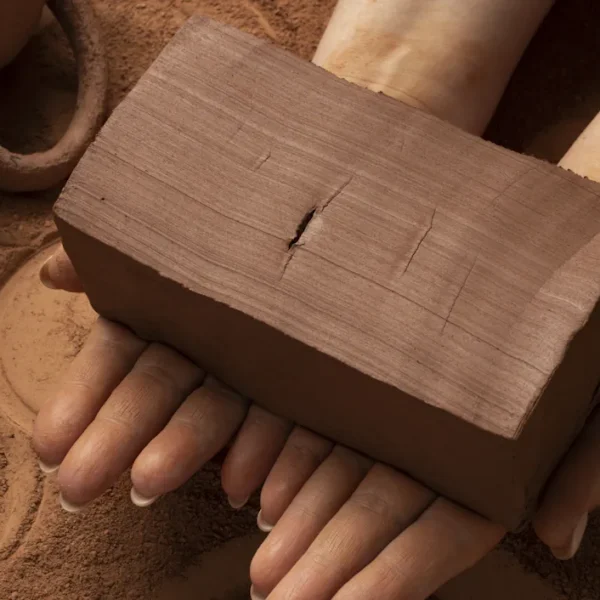
Look at a handful of clay mixed with chopped hemp. Straw visible. Grit between your fingers. Before it becomes a wall, it’s earth. Raw Earth is an aesthetic that keeps that origin story visible, that finds beauty in the least processed state of a material.
Fukinsei (不均整), the Japanese principle of asymmetry and irregularity, gives this sensibility its philosophical grounding. Where conventional design strives for uniformity, fukinsei finds life in imbalance, in surfaces that catch light unevenly, in grain that runs wild, in textures that invite the hand to explore. A Raw Earth home embraces what the material wants to be, rather than polishing it into something else.
Structural honesty is the guiding idea. Don’t hide the straw in the clay. Don’t sand the character out of reclaimed timber. Don’t cover the stone. When materials show their origins openly, rooms take on a directness and warmth that highly finished spaces rarely achieve. It’s an approach that suits people who are drawn to making, to craft, to the evidence of hands in a surface.
Inspiration
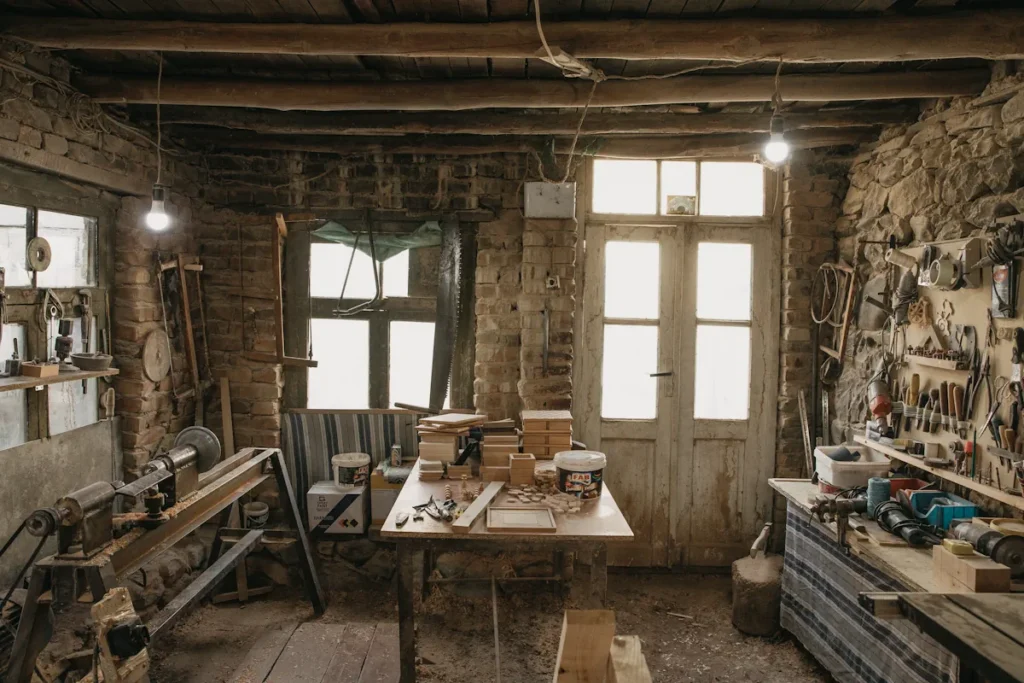
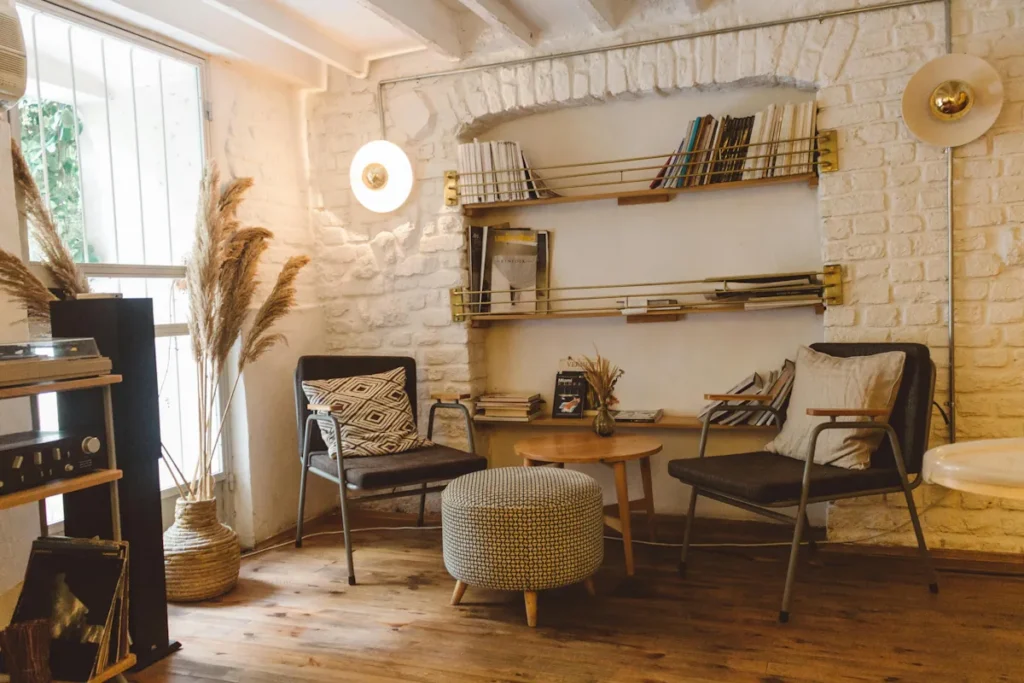
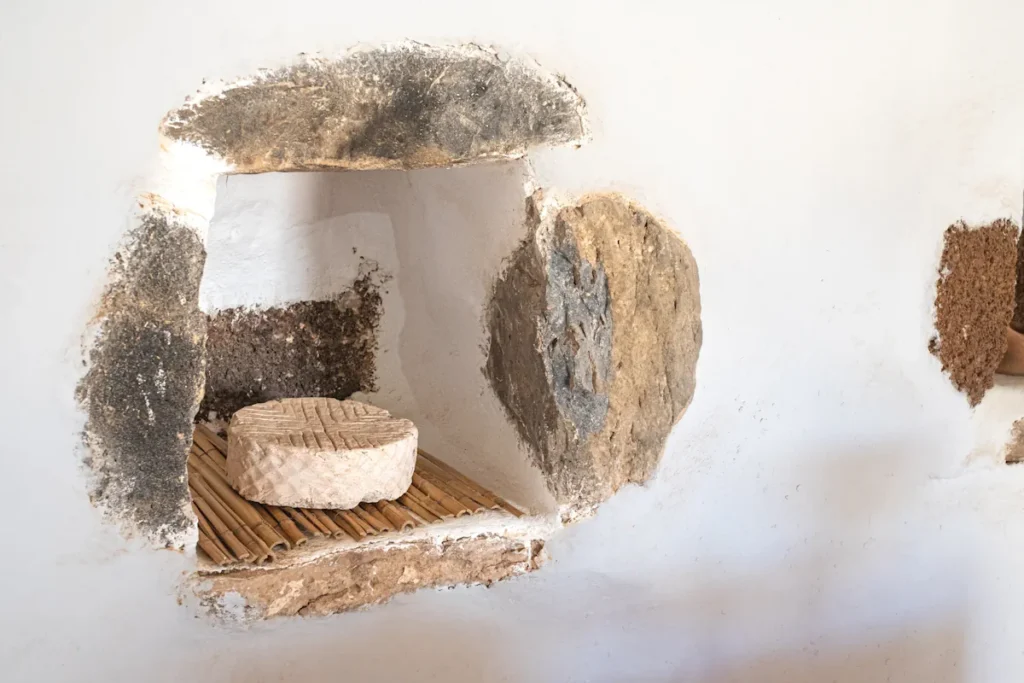
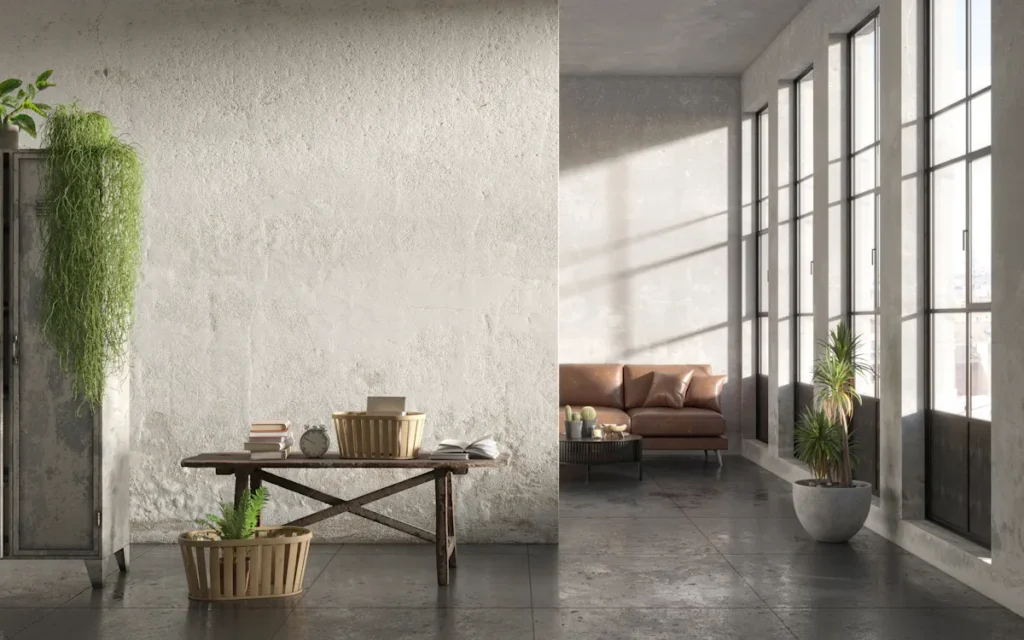
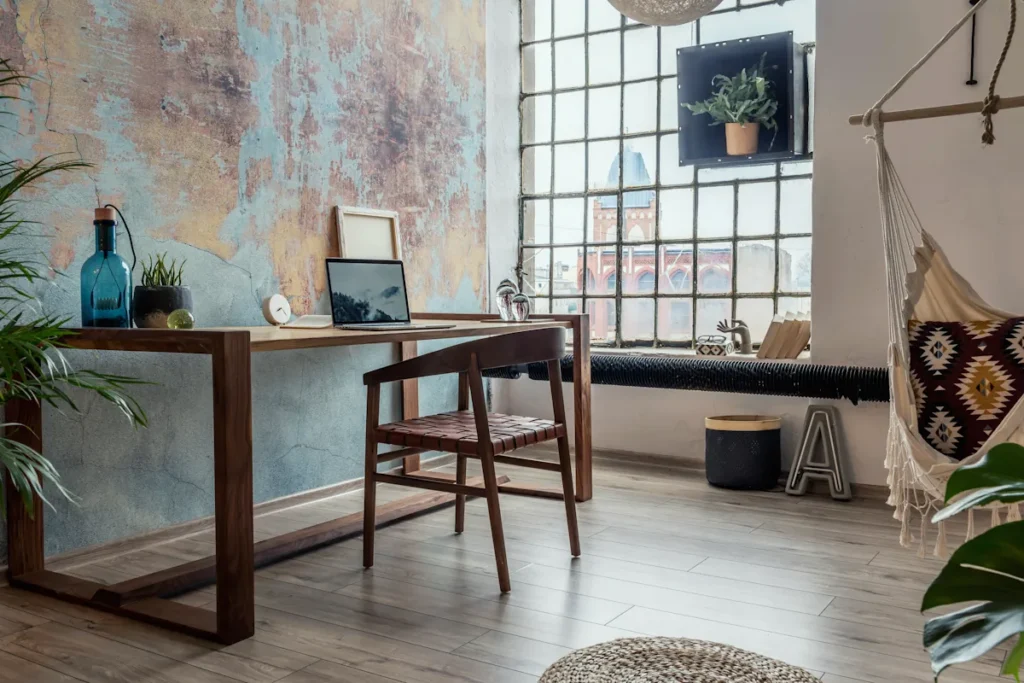
Materials, Unfinished
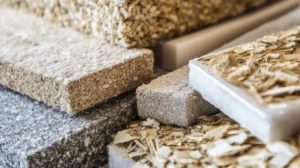
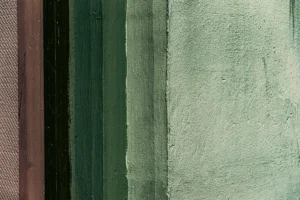
Coarse clay plaster: Adding chopped hemp shiv (the woody core of the hemp stem) to a final coat of clay plaster creates a surface with structural honesty. The fibres catch light at different angles, creating texture that shifts through the day. When we applied a hemp-clay finish to a test panel and compared it to a standard smooth clay plaster side by side, the coarse version absorbed roughly 15% more moisture in the first hour of testing. The added surface area from the hemp fibres increases the wall’s ability to buffer humidity.
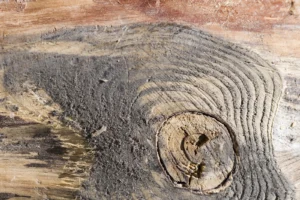
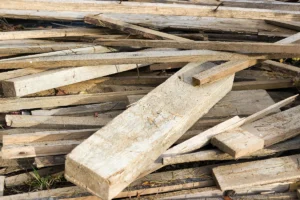
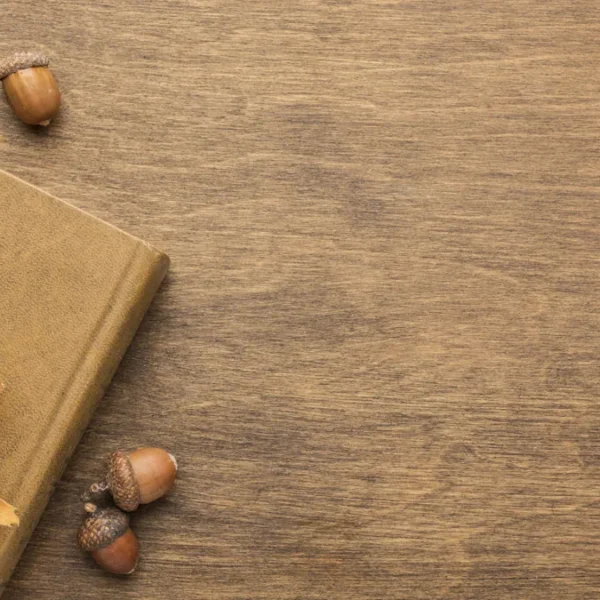
Reclaimed timber: Wood with a history. Scars, nail holes, weathering. All welcome. Reclaimed timber brings an immediate sense of place to a new room, and reusing existing wood avoids the embodied energy of new milling. Any reputable supplier will kiln-dry or heat-treat reclaimed boards before sale, which eliminates pest concerns while preserving the character of the wood.
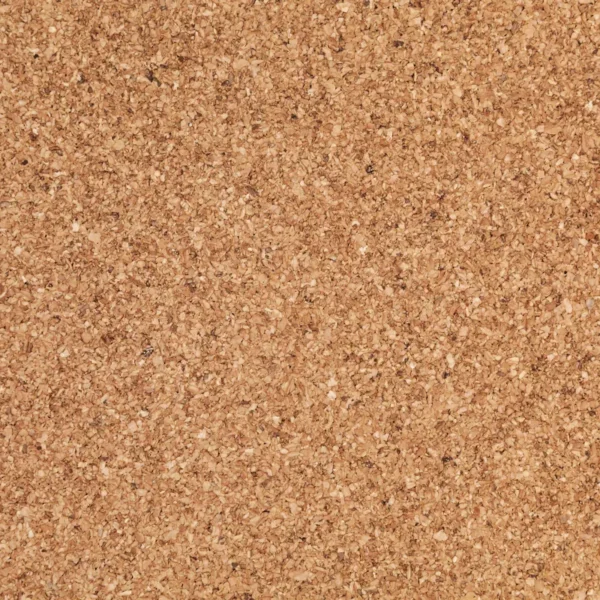
Industrial cork: Higher-density, less-refined cork tiles with a more variegated, bark-like appearance than decorative cork. These are tougher and more textural (the granules are larger, the surface more irregular). Underfoot, they feel closer to walking on compressed bark than on a processed floor. Industrial cork has an EPD (Environmental Product Declaration) showing low embodied energy and full recyclability at end of life.
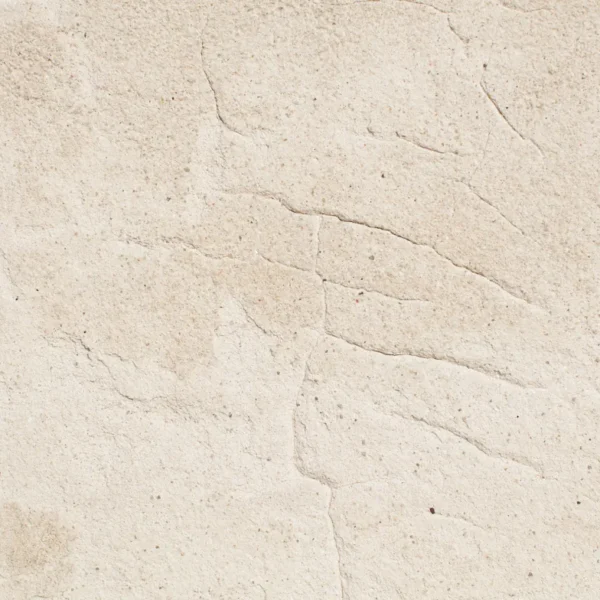
Exposed stone and brick: Left raw or finished with a very thin limewash that lets the original texture show through. Limewash on stone is a centuries-old technique. It provides mild protection against moisture while allowing the wall to breathe, and it can be reapplied by anyone with a broad brush and a free afternoon.
What It Feels Like
Warm. That’s the surprise for people who expect raw materials to feel austere. Because clay, stone, cork, and timber have high thermal mass, they absorb and release warmth slowly. A coarse clay wall holds the heat of the afternoon sun and radiates it back through the evening. Bare stone flags warmed by underfloor heating stay warm for hours after the system turns off.
Many people describe feeling grounded in rooms like these. Whether that’s the visual honesty of seeing what the wall is made from, or the tactile variety of surfaces that change every few steps, or the acoustic character of rooms with irregular surfaces that scatter sound in complex ways. Probably all three.
Fukinsei asks us to find beauty in what conventional design might correct: the uneven edge, the visible straw, the bark left on. A Raw Earth room has a quality of aliveness that comes from surfaces still close to their source. It doesn’t feel unfinished. It feels direct.
Where to Start
Strip back. If you have a brick wall behind plaster, consider whether it can be exposed. If you’re plastering, ask your contractor about a coarse finish with visible aggregate. These are decisions made once, lived with for decades.
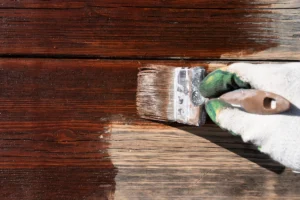
Choose living finishes. Pure tung oil on timber stays matte and tactile, deepening the wood’s tone without sealing it behind a gloss. Limewash on stone or brick adds gentle protection while letting the original surface read through. Both finishes develop character over time, changing subtly with use.
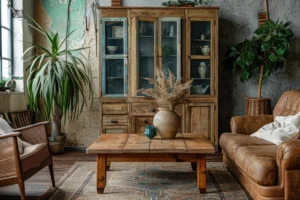
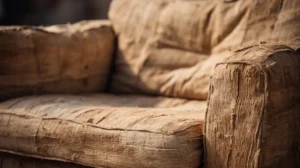
Mix refined and raw. A coarsely plastered wall behind a comfortable linen sofa. Industrial cork flooring beneath a soft wool rug. The contrast between raw textures and softer elements keeps a space inviting. Raw doesn’t mean rough everywhere.
Common Questions
Is coarse plaster hard to clean?
It needs a different approach from smooth walls. A soft brush or vacuum with a brush attachment handles dust. For anything more stubborn, a damp cloth works on clay plaster without damaging it. Over time, a little dust settling into the grain adds to the surface’s depth. These walls are meant to age, and they do it well.
Will reclaimed wood bring pests into my home?
Not from a reputable supplier. All reclaimed timber sold for interior use should be kiln-dried or heat-treated, which eliminates insects and larvae. Ask your supplier about their treatment process. If they can’t tell you, look elsewhere.
Does the raw look feel cold in winter?
Often the opposite. Clay, stone, and cork have high thermal mass, meaning they store warmth effectively. A coarse clay wall that absorbs warmth during the day releases it slowly through the evening. Combined with natural insulation (wood fibre or hemp in the wall cavity), a Raw Earth room can feel warmer and more thermally stable than one with smooth plasterboard and paint.
Can I mix raw materials with modern furniture?
This is one of the most effective combinations. A clean-lined sofa against a coarse clay wall creates visual tension that makes both elements more interesting. Modern furniture provides comfort and familiar proportions; raw materials provide texture, depth, and grounding. Each sharpens the other.