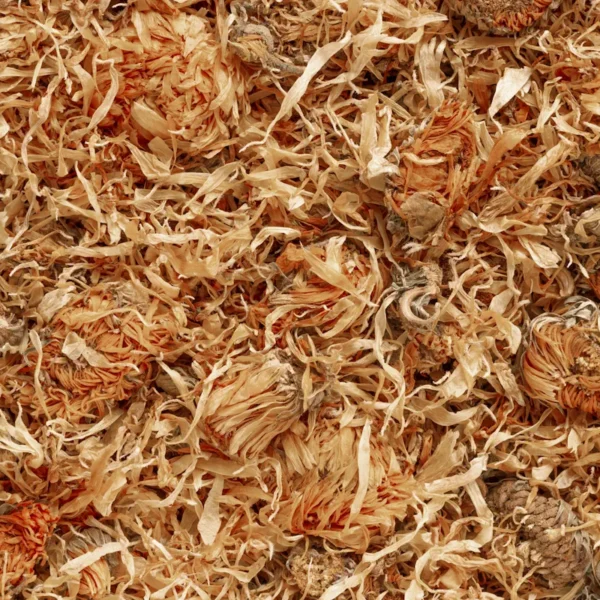
A home that holds you — warm, layered, and unmistakably lived-in
The Essence
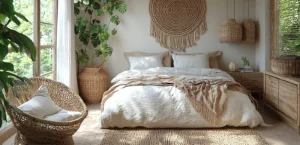
Some spaces embrace you the moment you enter. Warmth in how surfaces feel, how light falls, how textures invite touch. Rooms designed for living, not for looking. Places where you settle in and stay.
Gentle Refuge is this feeling made tangible through material choices. Oak floors that warm your feet. Wool that cushions and insulates. Linen that softens with every use. Clay walls that seem to absorb sound and stress alike. These materials participate in your comfort, not just visually but physically.
The warmth comes from the materials themselves, not from styling tricks. A Gentle Refuge at ten years old feels more welcoming than the day it was made. The comfort deepens with time, growing richer as surfaces develop patina and textiles soften through use.
Inspiration

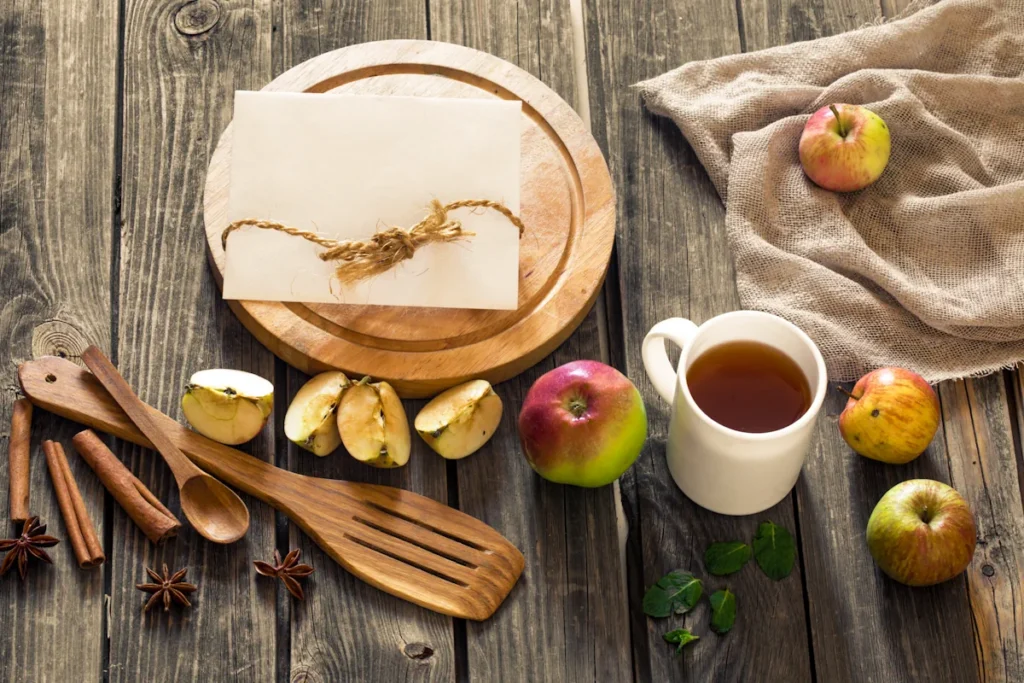

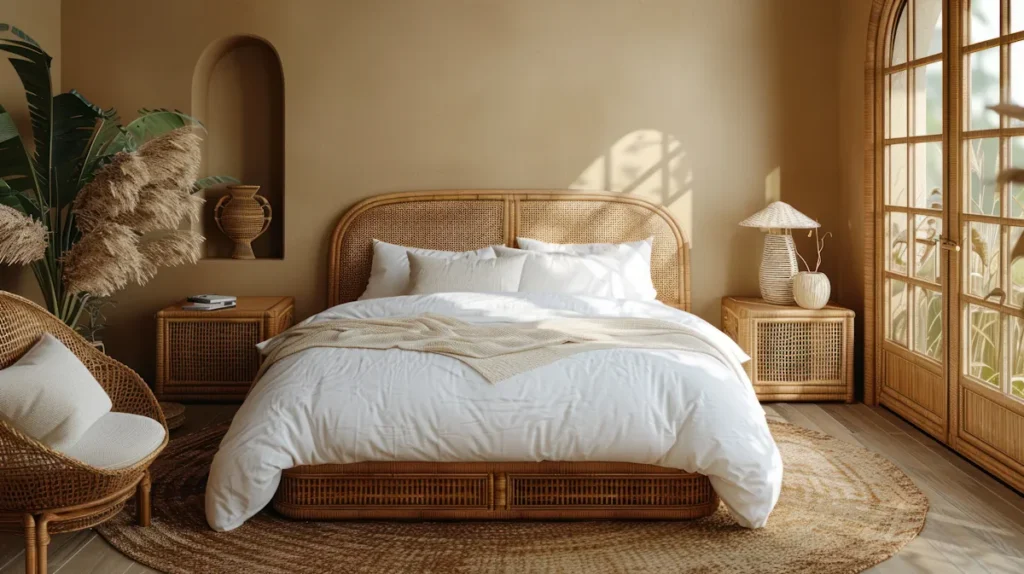
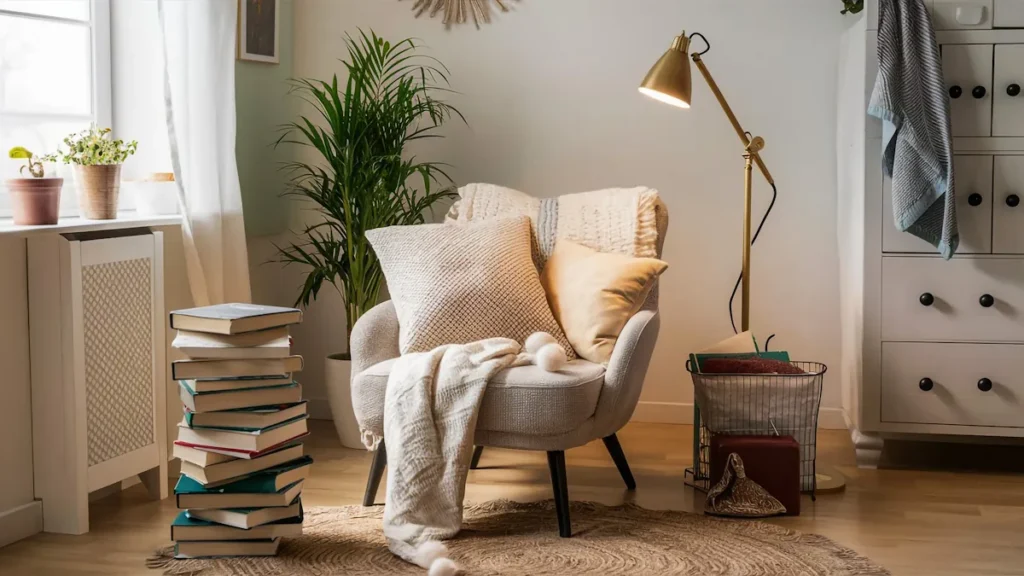
Material Palette
Every material in a Gentle Refuge gives something back. Warmth to touch, softness to ears, comfort to the body.
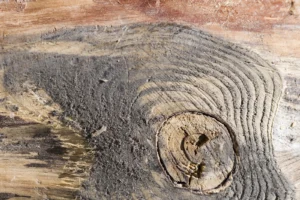
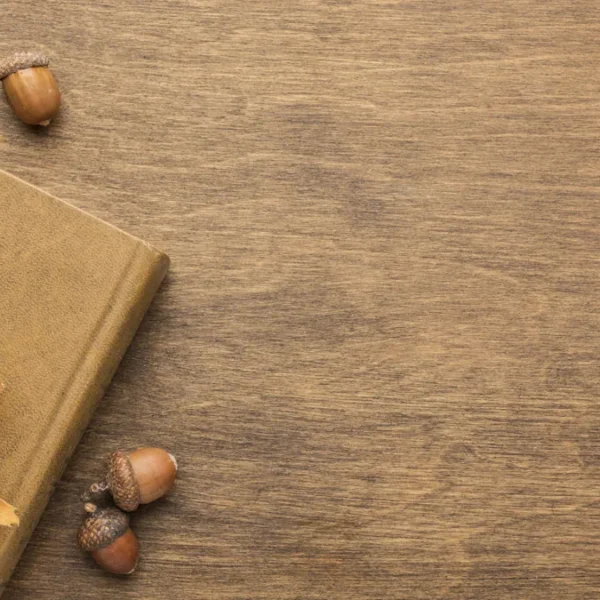
Oak in warm tones: Oiled rather than lacquered, showing natural colour variation and developing patina over time. The floor tells the story of your life upon it. Footsteps worn to a gentle lustre, the marks of furniture and falling objects becoming part of its character.
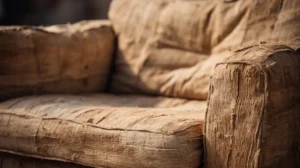
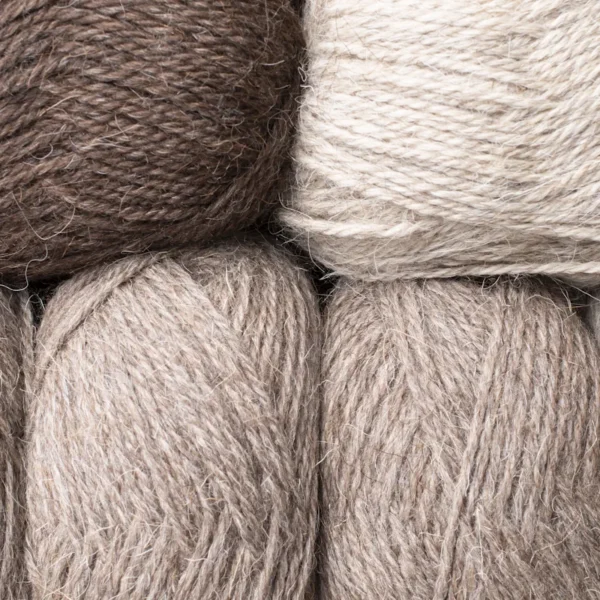
Wool: In rugs, throws, and upholstery. Wool regulates temperature, absorbs sound, and provides cushioning that synthetics cannot match. It’s resilient, bouncing back from compression, and flame-resistant without chemical treatment.
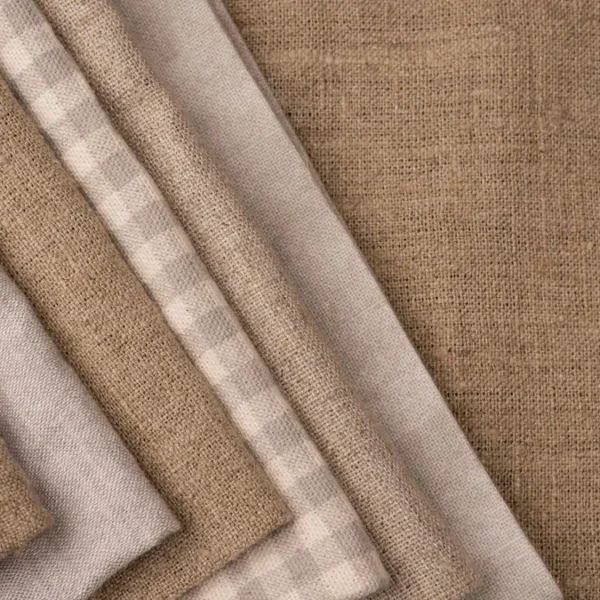
Linen in earthy tones: Stone-washed for immediate softness. Terracotta, olive, warm grey, natural flax. Linen improves with every wash, becoming softer and more lustrous over years of use. A client’s linen bedding, after two years of weekly washing, had become softer than anything available new. The fibres relax with each wash cycle in ways synthetic textiles can’t match. Your bedding becomes irreplaceably yours.
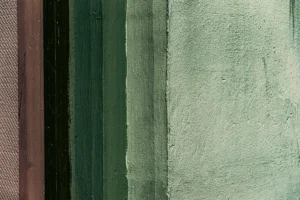
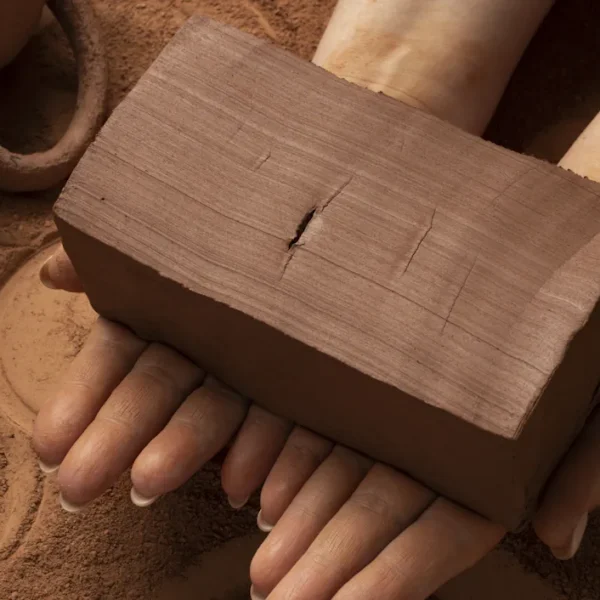
Clay plaster and paint: In warmer tones than Quiet Clarity. Soft ochres, warm taupes, gentle terracottas. Clay’s humidity-regulating properties keep rooms comfortable, while its hand-applied texture catches light in ways that flat paint cannot.
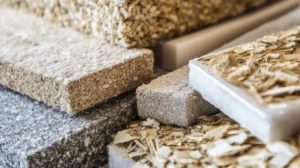
Wood fibre insulation: Hidden but essential. The mass and moisture-buffering of wood fibre creates stable, comfortable temperatures and reduces sound transmission. Your home feels more solid, more settled.
Cork: Warm and cushioned underfoot. Cork floors invite barefoot living, reducing fatigue and connecting you to the ground in a way that hard surfaces don’t. Each piece shows its own pattern variations. Your floor is yours alone.
How It Feels
A Gentle Refuge space feels like a deep exhale. Materials work together to create an environment where tension can release, where the body understands, even before the mind catches up, that it’s safe to rest.
Sound behaves differently here. Wool, wood fibre, cork and clay absorb sound rather than reflecting it. Conversations feel more intimate. Music fills the room without bouncing harshly. Silence itself has a quality of softness. Of being held.
The Japanese concept of seijaku (active stillness) describes this atmosphere. A quietude in which subtle things become vivid: the grain of wood catching the afternoon light, the texture of a throw inviting your hand, the way shadows shift across a clay wall as clouds pass outside. A room designed for noticing.
Temperature feels more stable in these spaces. Wood fibre insulation buffers against extremes; wool and cork moderate the feel of floors; clay walls regulate humidity. Less need to constantly adjust heating or cooling. The room takes care of itself, and of you.
How to Begin
Gentle Refuge builds through layers. You don’t create it all at once, and you shouldn’t try. Each natural material you introduce adds to the whole. The layering is the point.
Begin with what touches your skin. Linen bedding is an immediate, renovation-free change that shifts your most intimate space. Natural wool blankets and throws bring texture to living areas without construction. These are the materials you feel first.
Add warmth underfoot. A wool rug over existing flooring creates an island of comfort. When flooring itself needs attention, consider oak or cork, both of which welcome bare feet year-round.
Layer colour through materials, not paint chips. The warm tones of Gentle Refuge come from the materials themselves. The natural ochre of clay, the honey of oak, earth-toned wool dyes. Let the materials suggest the palette rather than choosing colours first.
Embrace imperfection from the start. This aesthetic thrives on the lived-in, the slightly rumpled, the gently worn. If you’re waiting for everything to be perfect before enjoying your space, you’ll miss the point. Use things. Let them age. The refuge deepens with time.
Common Questions
How long does it take for natural materials to develop that “lived-in” character?
It depends on the material. Linen bedding softens noticeably within a few washes. Oak floors begin showing gentle patina within a year of daily use. Clay walls look settled almost immediately because of the hand-applied texture. You don’t have to wait long.
Will wool rugs work if I have pets or children?
Wool is one of the most resilient natural fibres available. It bounces back from compression, resists staining better than most synthetics, and is flame-resistant without chemical treatment. It handles family life well.
Can I mix Gentle Refuge materials with what I already own?
Absolutely. Start with one or two natural pieces alongside your existing furniture. A wool throw over a conventional sofa, linen cushion covers, a cork mat by the door. The layering approach means you don’t need to replace everything.
What if I prefer cooler tones to warm ones?
Clay paint and linen both come in cooler shades (soft greys, muted greens, pale blues). The warmth in a Gentle Refuge comes as much from texture and material quality as from colour temperature. Cool-toned natural materials still feel warm to the touch.