
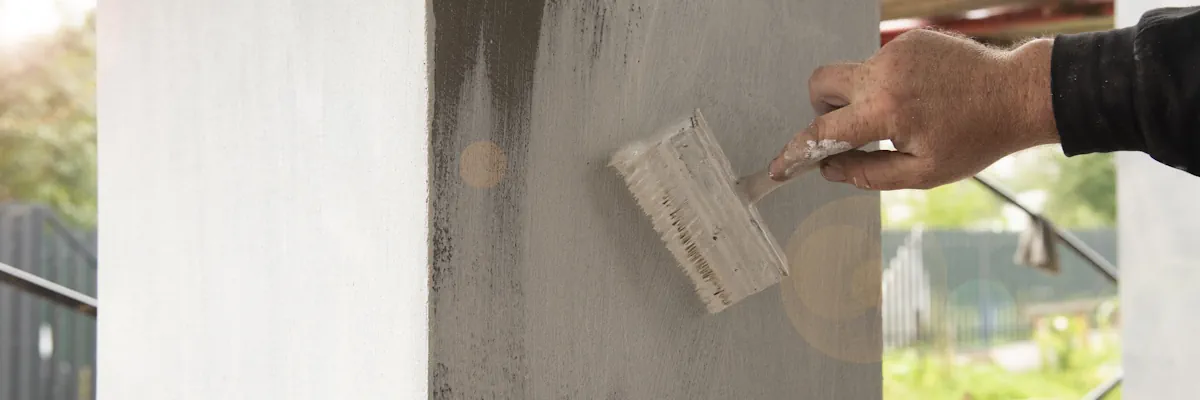
Not every improvement requires scaffolding and a skip. Paint, ventilation habits, and textiles are three changes that take no renovation at all — and between them they account for most of the air-quality gain people associate with a full refit. A rough ranking of which small moves matter most follows below.
Quick Takeaways
- Paint covers more surface area than any other material in your home, making it the highest-impact single change
- Ventilation habits cost nothing and improve air quality immediately
- Replacing textiles (bedding, curtains, rugs) requires no renovation at all
The Hierarchy of Impact
When everything feels like it needs fixing, knowing where to start matters. Not all changes deliver equal benefit, and some require far more effort, cost, and disruption than others. A rough hierarchy helps.
High impact, low effort: Paint. Ventilation habits. Textiles. High impact, higher effort: Flooring. Wall finishes (plaster, render). Insulation. Moderate impact, variable effort: Furniture. Cleaning products. Lighting.
Focus on the first group. These are the changes you can make this month, without hiring anyone or moving out of your home.
Paint: The Biggest Surface
Walls and ceilings represent more square metres of material in your home than anything else. In a typical three-bedroom house, that’s over 200 square metres of painted surface, all of it within arm’s reach, all of it interacting with the air you breathe.
Off-gassing is the release of volatile organic compounds from a material into the surrounding air, and it continues long after paint has dried. Conventional emulsion paints can release measurable levels of VOCs for weeks or months after application. Low-VOC and natural clay paints reduce this to near zero.
European studies have found that VOC off-gassing from synthetic paints and interior materials can persist for years at levels above WHO indoor-air guidance thresholds, while mineral clay plasters have been shown to reduce indoor aldehyde concentrations in controlled test conditions. Standard vinyl emulsion, “low-VOC” conventional paint, and a natural clay or lime paint therefore sit at very different points on that spectrum — and the paint smell alone, which either fades within days or lingers for weeks, usually tells you which end of it you are at.
When you next need to repaint a room (and most rooms need repainting every 5–8 years), switching to a clay or lime-based paint is the single most effective material change you can make. The cost difference is modest. A litre of quality clay paint runs €8–15 more than standard emulsion, and coverage is comparable. For a bedroom, the total premium might be €40–60.
Ventilation: Free and Immediate
No material change matches the impact of letting fresh air in. Open windows for 10–15 minutes in the morning. Cross-ventilate when cooking. Leave bedroom windows slightly ajar at night if security and weather permit.
CO₂ levels in a closed bedroom with two people can exceed 2,500 ppm by morning. Above 1,000 ppm, concentration and sleep quality decline. Opening a window drops levels back to outdoor baseline (around 420 ppm) within minutes.
If opening windows isn’t practical, trickle vents fitted to window frames provide passive airflow. They’re unobtrusive, inexpensive, and effective. In older homes with sash windows, the gap at the meeting rail was historically the trickle vent; many have since been sealed.
Ventilation pairs with breathable materials. Clay and lime wall finishes buffer humidity peaks (absorbing moisture when levels rise, releasing it when they fall), which means your home recovers faster from cooking steam, shower humidity, and overnight breath moisture. But no wall finish replaces actual air exchange. Both work better together.
Textiles: The Quiet Swap
Bedding, curtains, cushion covers, rugs. These are the materials that touch your skin, filter your light, and sit at face height on your sofa. And they’re the easiest things to change, because you can buy them now and put them in place tonight.
Conventional polyester bedding doesn’t breathe. It traps moisture against your skin and creates a warmer, clammier sleeping environment. Linen or organic cotton bedding allows moisture to wick away, keeping you drier and more comfortable through the night. Wool duvets regulate temperature across seasons, staying warm in winter and cool in summer, because the fibre absorbs and releases moisture vapour.
For curtains, linen filters light differently from synthetic fabrics. The weave is less regular, the light warmer and more diffused. Functionally, natural-fibre curtains don’t off-gas the way treated polyester can, particularly when warmed by sunlight.
Wool rugs bring warmth, acoustic softening, and flame resistance without chemical treatment. A wool rug on a hard floor changes the room’s sound, temperature, and comfort immediately.
None of these swaps require renovation. They’re purchasing decisions you make when existing items wear out, or sooner if you choose.
What About Furniture?
Furniture matters, but it’s lower on the urgency list. Solid wood pieces (not chipboard, not MDF) release few or no VOCs and last for decades. If you already own solid wood furniture, keep it. If your furniture is pressed wood or chipboard, it may be off-gassing formaldehyde, particularly if it’s less than a year old. Airing the room helps. Replacing these pieces when they reach end of life, rather than all at once, is a reasonable approach.
New furniture is perhaps the hardest category to change cost-effectively. Good solid wood pieces are expensive. They’re also, over a lifetime, cheaper than replacing flat-pack equivalents every few years. When the budget allows, choose pieces that will last and be worth repairing.
Cleaning Products: A Side Note
Cleaning products aren’t building materials, but they contribute to indoor air quality. Switching from heavily fragranced synthetic cleaners to simpler alternatives (vinegar, bicarbonate of soda, plant-based products) reduces the chemical load in your home’s air. It’s a small change with a cumulative effect over time.
Putting It in Order
If you’re looking for a sequence:
This week: Improve your ventilation habits. Open windows more often, for longer. This month: When your current paint tin runs out or a room needs refreshing, choose a clay or natural paint. This season: Replace worn-out bedding with natural-fibre alternatives. Add a wool rug if hard floors are cold or echoey. This year: Address flooring or wall finishes in one room, following the room-by-room approach.
Each step stands on its own. You don’t need to do them all, and the order can flex around your life. The point is that small, deliberate choices accumulate.
Products to Explore
Clay and lime paints from Auro, Kreidezeit, or Earthborn for walls. Linen bedding sets from European producers. Wool duvets and pillows. Natural-fibre rugs (wool, jute, or cotton). Coir doormats. Plant-based cleaning products.
Common Questions
How much more does natural paint cost than conventional?
Roughly €8–15 more per litre, depending on brand and colour. For a single bedroom (walls and ceiling), the total premium is typically €40–60. Coverage rates are comparable to standard emulsion.
Will changing just the paint really make a noticeable difference?
Yes. Paint covers the largest surface area in any room. Switching to a zero-VOC clay or lime paint removes the most significant source of airborne chemicals from that space. You may notice the difference in smell immediately; the long-term air quality improvement is measurable.
I rent my home. What can I change?
Textiles and ventilation habits. Linen bedding, wool rugs, natural curtains, and better ventilation cost nothing structural and travel with you when you move. Some landlords also permit repainting if you return walls to the original colour; a conversation worth having.
Are “low-VOC” conventional paints good enough?
They’re better than standard paints, but “low-VOC” is a relative term. EU regulations set the maximum at 30 g/L for matt wall paint, which still permits measurable off-gassing. Natural clay and lime paints contain no synthetic VOCs at all. If air quality is your priority, go natural.
Do I need to replace all my textiles at once?
No. Replace items as they wear out. Start with what touches your skin most directly: bed sheets and pillowcases first, then duvet, then curtains, then cushion covers. Each swap improves your environment incrementally.